★ 5.0 rating on Google · Licensed & insured · 25+ years
Mon–Fri 9am–5pm · (817) 793-2977
Home  /  Pool Electrical  /  Pool Bonding
Pool bonding

Pool Bonding in Mansfield, TX

Bonding is the least visible thing at your pool and the one most likely to have been done badly. It is not there to power anything. It is there so that everything a swimmer can touch sits at the same electrical potential, which is what keeps a fault from travelling through a person.

Verify the license. The electrical work is done by a journeyman electrician, Texas TDLR license 424069, working under the general supervision of a master electrician as Texas requires. You can look the license up yourself at the TDLR license search. Most pool companies cannot show you one.

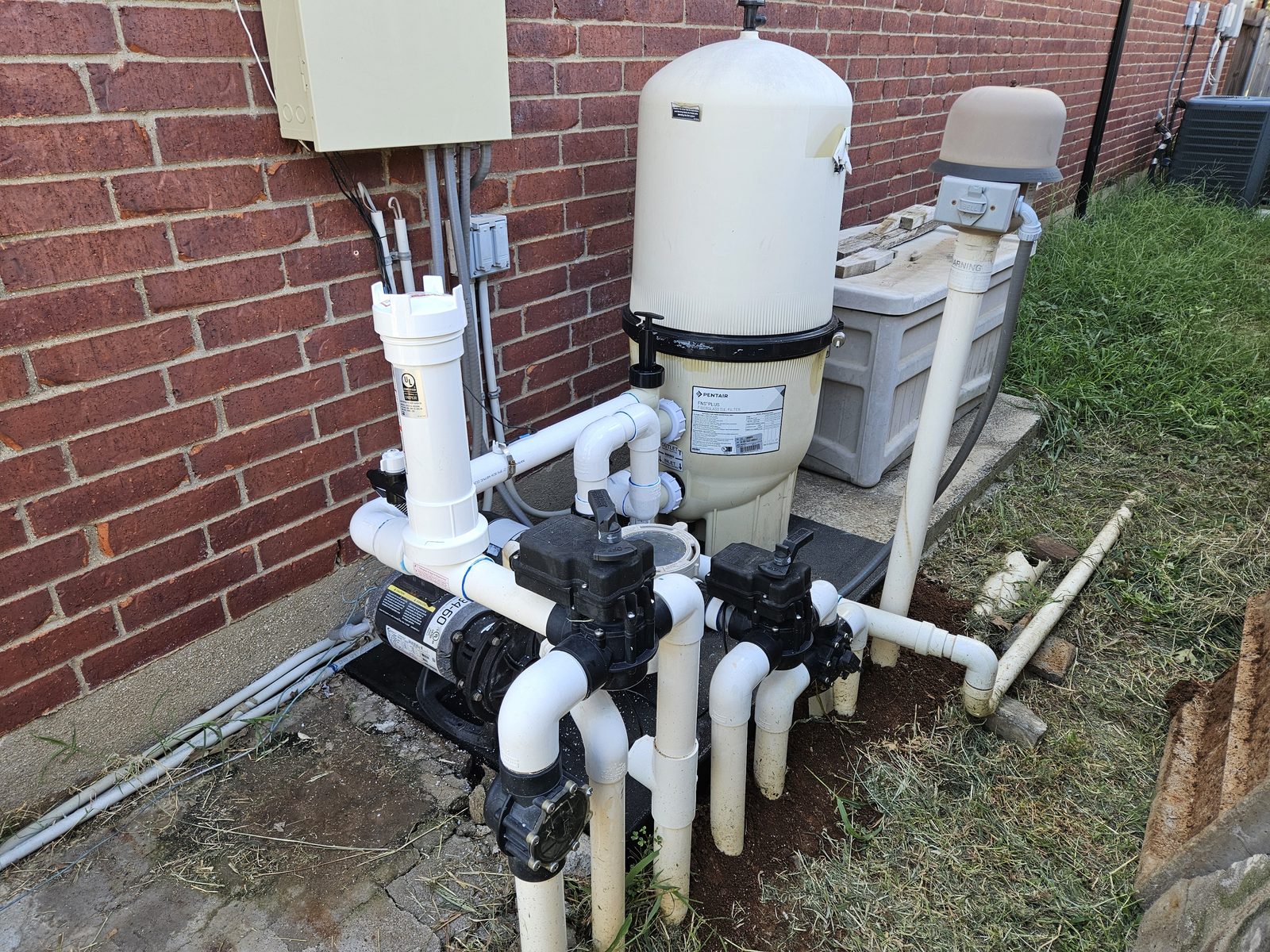
Pool pump and filter on an equipment pad where bonding connections terminate
The part nobody wants to say

A lot of existing pools do not have a bond you would pass today

Bonding is buried. It goes in while the steel is exposed and the deck is not poured. Once the concrete is down, nobody can see whether it was done properly, and for the life of the pool nobody checks. Plenty of pools in this area were built before perimeter surface bonding was enforced the way it is now, and plenty more had it installed to whatever standard the crew felt like that day.

Here is the unhelpful truth. Verifying a buried bond properly can mean opening concrete, and no homeowner wants to hear that. So the common outcome is that nobody looks, and the assumption is that it is fine. We will tell you what can be checked without demolition, what cannot, and what we would actually do in your situation. Sometimes the honest answer is that the risk is low and the fix is not worth the deck.

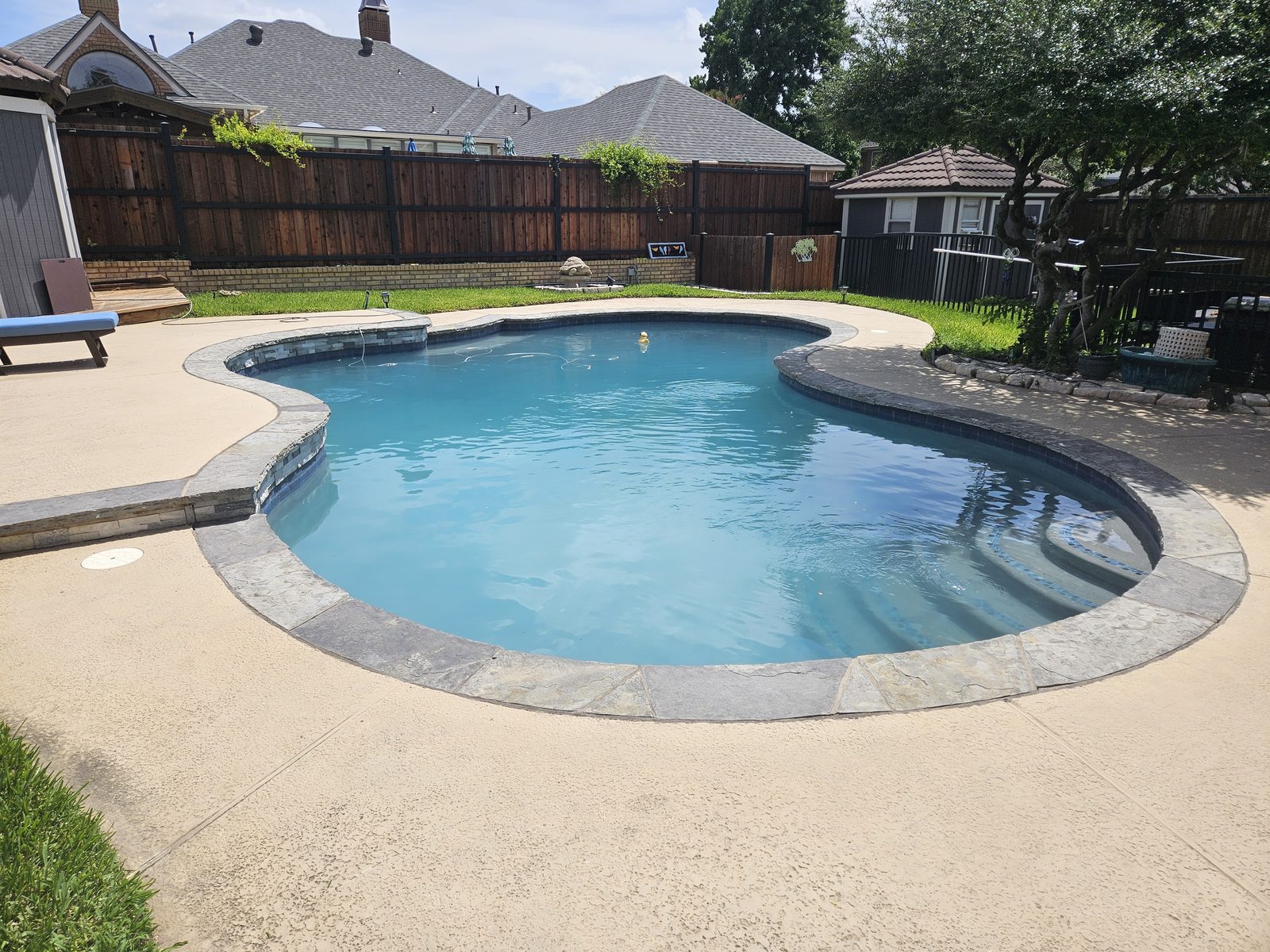
Pool stone coping and deck edge, the perimeter surface bonding applies to
What we handle

Bonding work on an existing pool

What can be inspected, corrected and added without rebuilding the pool.

Bond Inspection

Checking the accessible bonding at the pad and the visible connections, and telling you plainly what can and cannot be verified without breaking concrete.

Equipment Bonding

Pumps, motors, heaters, blowers and metal equipment on the pad, bonded and terminated properly rather than left to a corroded lug.

Water Bonding

Adding a bonding fitting where the pool water itself has no bonded conductive surface in contact with it, which is a common gap on older pools.

Light Niche Bonding

Metal underwater light niches and their forming shells, which are a classic omission and sit in the worst possible place to get it wrong.

Corroded Connections

Replacing bonding lugs and conductors that have rusted through, which is common on a Texas pad after twenty years.

Repairs During Renovation

If the deck is already coming up for a remodel, that is the moment to correct perimeter bonding at a fraction of what it would otherwise cost.

What the code actually says

What NEC 680.26 actually requires

Bonding is one of the most misunderstood parts of pool electrical, so here is the substance rather than a slogan. Current as of September 2026, under the 2026 NEC that Texas adopted on September 1.

The conductor and the perimeter

Equipotential bonding uses a solid copper conductor no smaller than 8 AWG, insulated, covered or bare. Under the 2026 edition, 40 percent copper clad steel conductors are now recognized as a permitted option as well, which is a change from previous editions.

Perimeter surfaces are bonded for 3 feet horizontally from the inside wall of the pool. Where the shell itself is conductive, it connects to the perimeter bonding at a minimum of four uniformly spaced points.

Source: NEC 680.26, 2026 edition as adopted in Texas. Verified September 2026.

What has to be bonded

The pool shell reinforcing steel or an equivalent copper grid. Perimeter surfaces. Metallic components of the pool structure. Underwater lighting mounting brackets and forming shells, other than listed low voltage systems that are specifically excepted. Metal fittings within the structure. Metal parts of electrical equipment associated with the pool.

Also included: metal parts within 5 feet horizontally of the inside walls, and fixed metal parts within 5 feet horizontally or 12 feet vertically above the maximum water level. That sweeps in more than people expect, which is why handrails, ladders and nearby metal structures come up during an inspection.

Source: NEC 680.26(B). Verified September 2026.

The water itself has to be bonded, and often is not

Where no bonded part is already in contact with the pool water, the code requires a corrosion resistant conductive surface of at least 9 square inches in continuous contact with the water.

This is the one we find missing most often. Older pools frequently relied on a metal fitting that has since been replaced with plastic during a repair or remodel, which quietly removes the water bond without anyone noticing. Adding a bonding fitting is usually a small job, and it is one of the few bonding corrections that does not involve concrete.

Source: NEC 680.26(C). Verified September 2026.
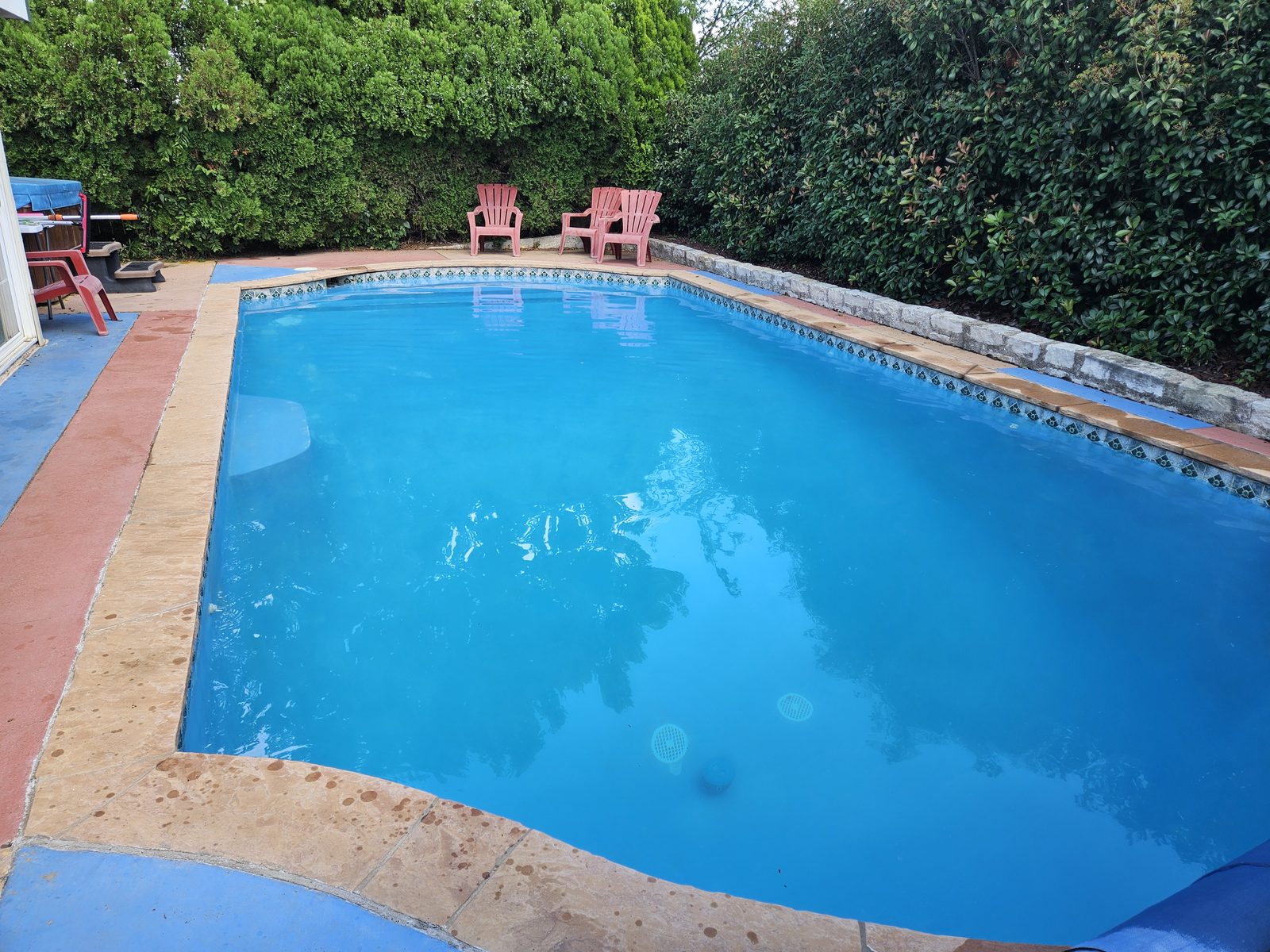
Freeform pool with a brick deck surround in a Texas backyard
When to call

Reasons to have the bonding looked at

  • A tingle or buzz when touching the rail, ladder or wet coping
  • Rapid corrosion of metal fittings, rails or the heater
  • A pool built before you owned it with no record of electrical inspection
  • Metal fittings replaced with plastic during a past repair or remodel
  • A remodel or deck replacement coming up, which is the cheapest moment to fix it
  • New metal added near the pool, such as a rail, pergola, fence or handrail
Call (817) 793-2977
Common questions

Bonding questions

What is the difference between bonding and grounding?

Grounding gives fault current a path back to the source so a breaker trips. Bonding ties everything a swimmer can touch to the same electrical potential so there is no voltage difference between the water, the coping, the rail and the deck. They are separate jobs. A pool can be grounded correctly and still be bonded badly.

How do I know if my pool is bonded properly?

Partly by inspection and partly not. The connections at the equipment pad and the visible metal can be checked. The bond buried under the deck and in the shell cannot be fully verified without opening concrete. Anyone who tells you they have confirmed a buried bond without exposing it is guessing.

If I feel a tingle in the pool, what should I do?

Keep people out of the water and get it looked at before anything else. A tingle is a voltage difference that should not exist, and it can come from the pool or from something else on the property entirely. It is not a wait and see problem.

Do I have to rebuild my pool to fix bonding?

Usually no. Equipment bonding, light niche bonding, corroded connections and a missing water bond are all correctable without demolition. Perimeter surface bonding in an existing deck is the one that can require concrete work, and that is worth timing with a remodel rather than doing on its own.

Get a straight answer about your bonding

We will tell you what can be verified, what cannot, and whether it is worth doing anything about it. That is a more useful conversation than a quote for work you may not need.

Call (817) 793-2977