★ 5.0 rating on Google · Licensed & insured · 25+ years
Mon–Fri 9am–5pm · (817) 793-2977
Home  /  Pool Electrical  /  Pump and Equipment Electrical
Pump and equipment electrical

Pool Pump and Equipment Electrical

If you are replacing a pool pump, there is a code requirement that catches most homeowners and a fair number of installers by surprise. Replacing the motor triggers a ground fault protection requirement, whether or not the old one ever had it.

Verify the license. The electrical work is done by a journeyman electrician, Texas TDLR license 424069, working under the general supervision of a master electrician as Texas requires. You can look the license up yourself at the TDLR license search. Most pool companies cannot show you one.
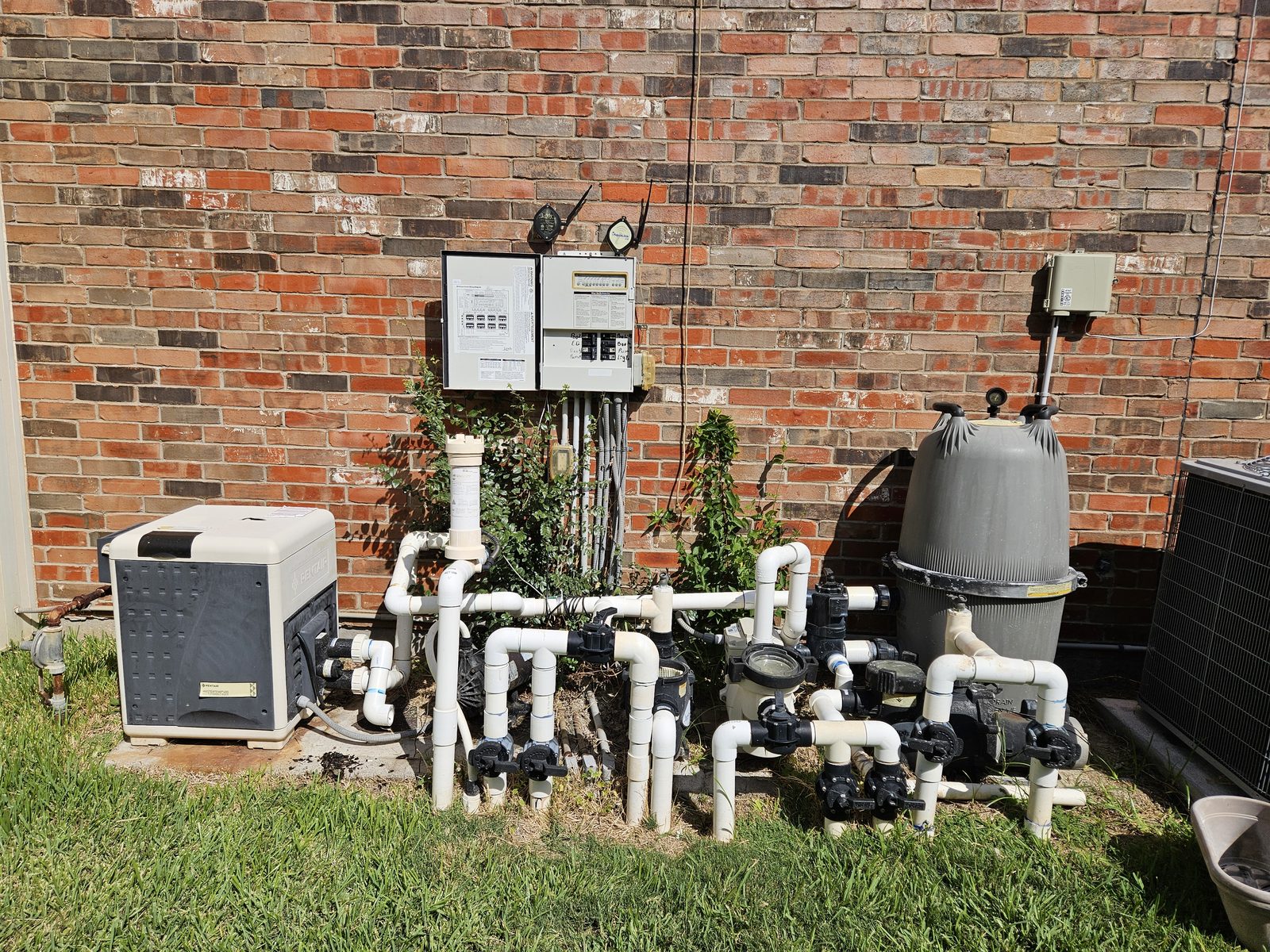
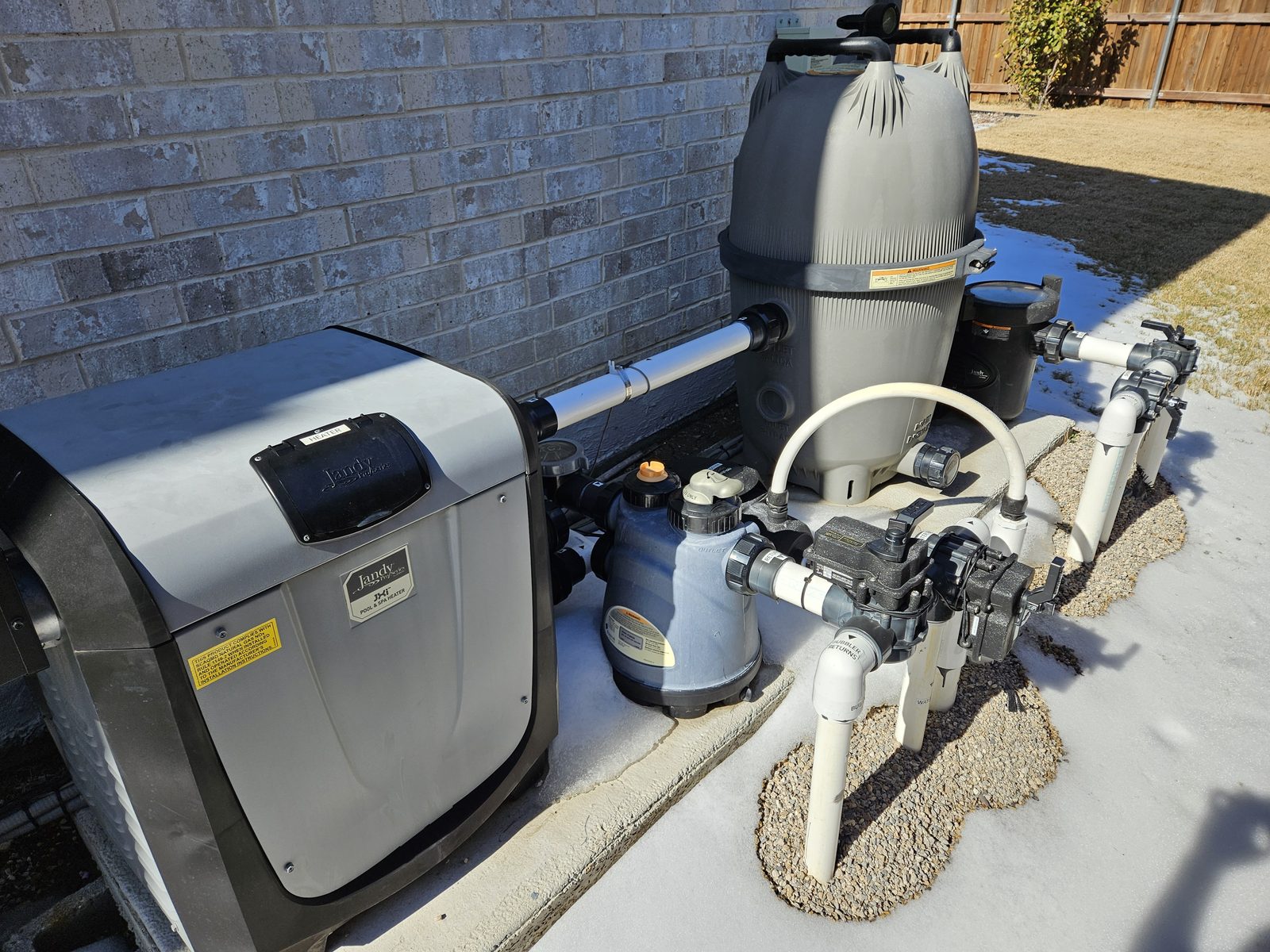
Pool heater and pump equipment set on a serviced pad
The thing nobody mentions at the quote

Your new pump tripping may be the GFCI doing its job

Homeowners call us because a brand new variable speed pump keeps tripping and the installer says the pump is fine. Often the pump is fine. A ground fault device is detecting current going somewhere it should not, which on a pool pad usually means moisture in a connection, a failing motor winding, a damaged conductor or a light circuit with water in it. The device is not the fault. It is the thing that found the fault.

The opposite case is worth saying too. If somebody swapped your pump recently and there is no ground fault protection on that circuit at all, the work was not done to the code in force when it was done. That is not a small paperwork detail on a circuit that sits in water.

Pool heater installation with its power connection and control board
What we handle

Equipment electrical we handle

The power side of everything on the pad, plus the faults that make it misbehave.

Variable Speed Pump Wiring

Wiring and programming variable speed pumps so they run the schedules they were sold for instead of defaulting to full speed forever.

GFCI Protection

Adding and correcting ground fault protection on pump circuits, including where a replacement has triggered a requirement the original install never had.

Tripping Diagnosis

Finding the actual cause of a breaker or GFCI that keeps tripping, rather than replacing parts in sequence until something changes.

Heater and Heat Pump Power

The supply side, control boards and sensors on gas heaters and heat pumps, which fail in ways that look mechanical and are not.

Salt System Electrical

Power supplies, cells and control boards on salt chlorine generators, including the transformer side that usually goes first.

Automation Integration

Wiring new equipment into existing automation so the controller and the hardware agree on what is connected.

What the code actually says

The rule that catches people on a pump replacement

Current as of September 2026, under the 2026 NEC that took effect in Texas on September 1, 2026.

Replacing or repairing a pump motor requires ground fault protection

NEC 680.21(D) requires that where a pool pump motor covered by 680.21(C) is replaced or repaired, the replacement or repaired motor is provided with ground fault protection.

The wording matters. An earlier edition tied the requirement to motors replaced for maintenance or repair, which left an argument about motors replaced because they simply wore out. The 2023 edition removed that gap, and it carries forward. If the motor is replaced or repaired, the protection goes in.

So a pump swap on a pool built decades ago can require protection the original circuit never had. That is not an upsell, it is the code, and it is the single most common surprise on a pool pump quote.

Source: NEC 680.21(D). Verified September 2026.

Which circuits are covered

NEC 680.21(C) covers outlets supplying pool motors on branch circuits rated 150 volts or less to ground and 60 amperes or less, single phase or three phase. That covers essentially every residential pool pump in this area.

Under the 2026 edition the three phase threshold rose from 60 to 100 amperes, which matters for commercial installations rather than a backyard pool.

Source: NEC 680.21(C), with the 2026 three phase threshold change. Verified September 2026.

McEwan Pools servicing pool equipment at a customer property
When to call

When to call about equipment electrical

  • A new pump that trips its breaker or GFCI, especially on startup
  • A pump that hums but will not turn, or starts only when helped
  • A variable speed pump that ignores its schedule or resets itself
  • A heater or salt system that reports faults with no obvious mechanical cause
  • A pump that was replaced recently with no ground fault protection added
  • Anything at the pad that is warm, buzzing, scorched or smells burnt
Call (817) 793-2977
Common questions

Pump and equipment electrical questions

Why does my new pool pump keep tripping the breaker?

A ground fault device trips because it is detecting current leaving the circuit, which on a pool pad usually means moisture in a connection, a failing motor winding, a damaged conductor or water in a light circuit. Replacing the pump again rarely helps. The fault needs to be traced. A breaker that trips repeatedly is protecting you from something real.

Do I need a GFCI if I replace my pool pump?

Under NEC 680.21(D), where a pool pump motor is replaced or repaired, the motor is required to be provided with ground fault protection. That applies whether or not the original circuit had it. It is the most common surprise on a pump replacement quote, and it is a code requirement rather than an optional extra.

Is a variable speed pump worth it?

For most pools that run daily, yes, because the running cost difference is real and Texas summers mean long run times. The saving depends on being programmed properly though. A variable speed pump left running at full speed because nobody set the schedule costs about what the old one did.

Can you wire a pump you did not supply?

Yes. If you bought equipment elsewhere or had it supplied by somebody else, the electrical side can still be done properly. We would rather wire someone else pump correctly than be called out later to find out why it failed.

Get the pump circuit right the first time

Replacing equipment is the moment the electrical gets looked at whether you planned it or not. Better to know before the work than after the inspection.

Call (817) 793-2977